

Still Worth Keeping
There’s a chest in our family that my grandfather built in shop class when he was ten years old.
The joints aren’t perfect. The measurements are approximate. It is absolutely not fine furniture. But it’s his — made by his own hands as a kid, finished with whatever they had, and somehow still here.
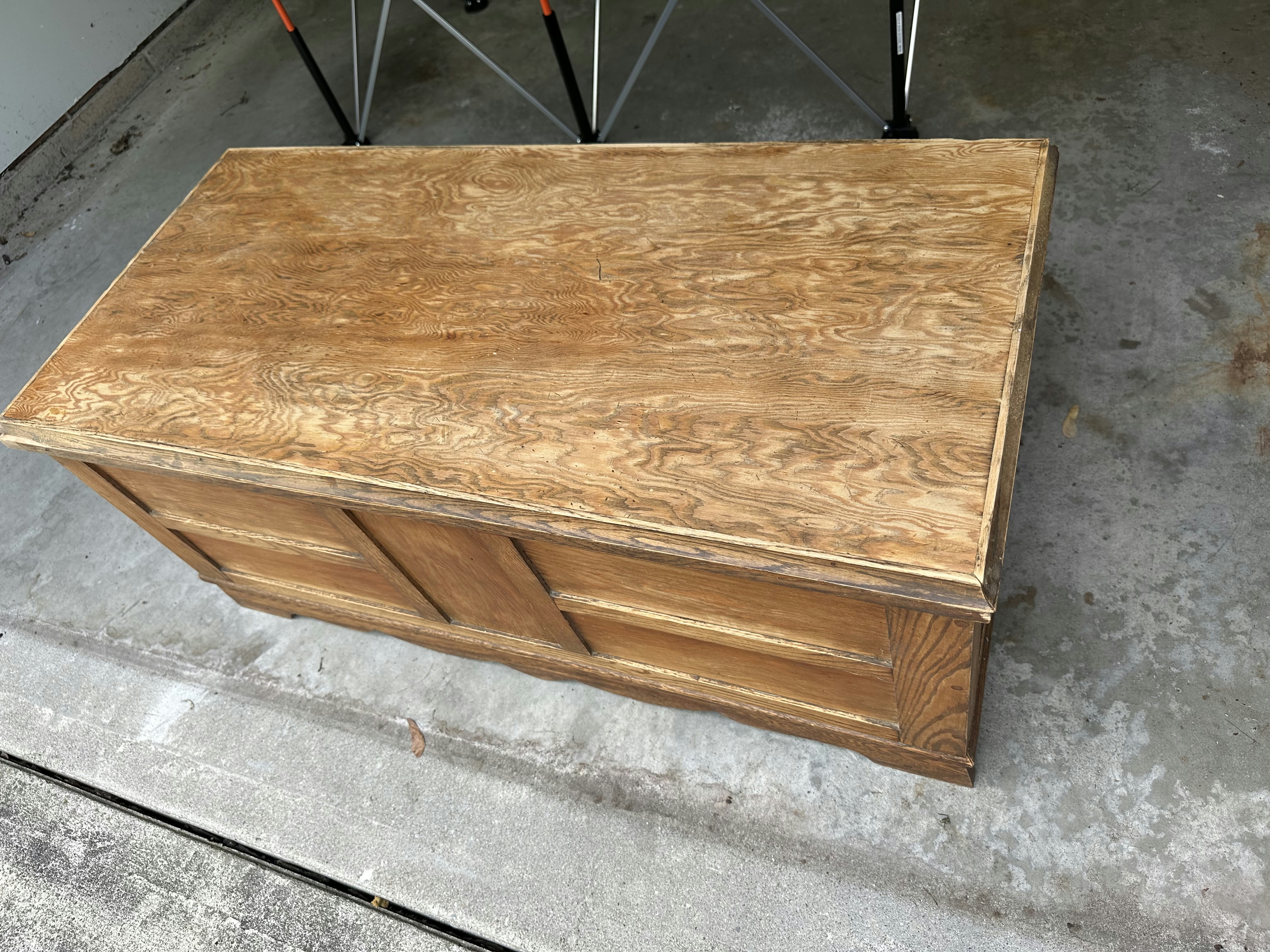
Inside, there’s old tar where fabric lining used to be. The lining itself has long since worn away. It’s been moved between houses more times than anyone can count, repurposed, stacked with different things at different stages of life. And every single time, my grandfather decided it was worth bringing along. He was proud of what he made. That pride turned into decades of keeping.
Now it’s going to my nephew for his second birthday. And before it gets there, it needs some love.
What We Actually Inherit
Not everything that gets passed down was made by a craftsman.
Some of it was made by kids. By parents figuring things out. By someone doing their best with the tools they had and the skills they hadn’t quite developed yet. The value was never in the joinery or the finish. The value is in the simple fact that someone made it, someone used it, and someone decided it was worth carrying forward.
That decision — to keep instead of replace — is the whole story.
The Case for Doing the Work
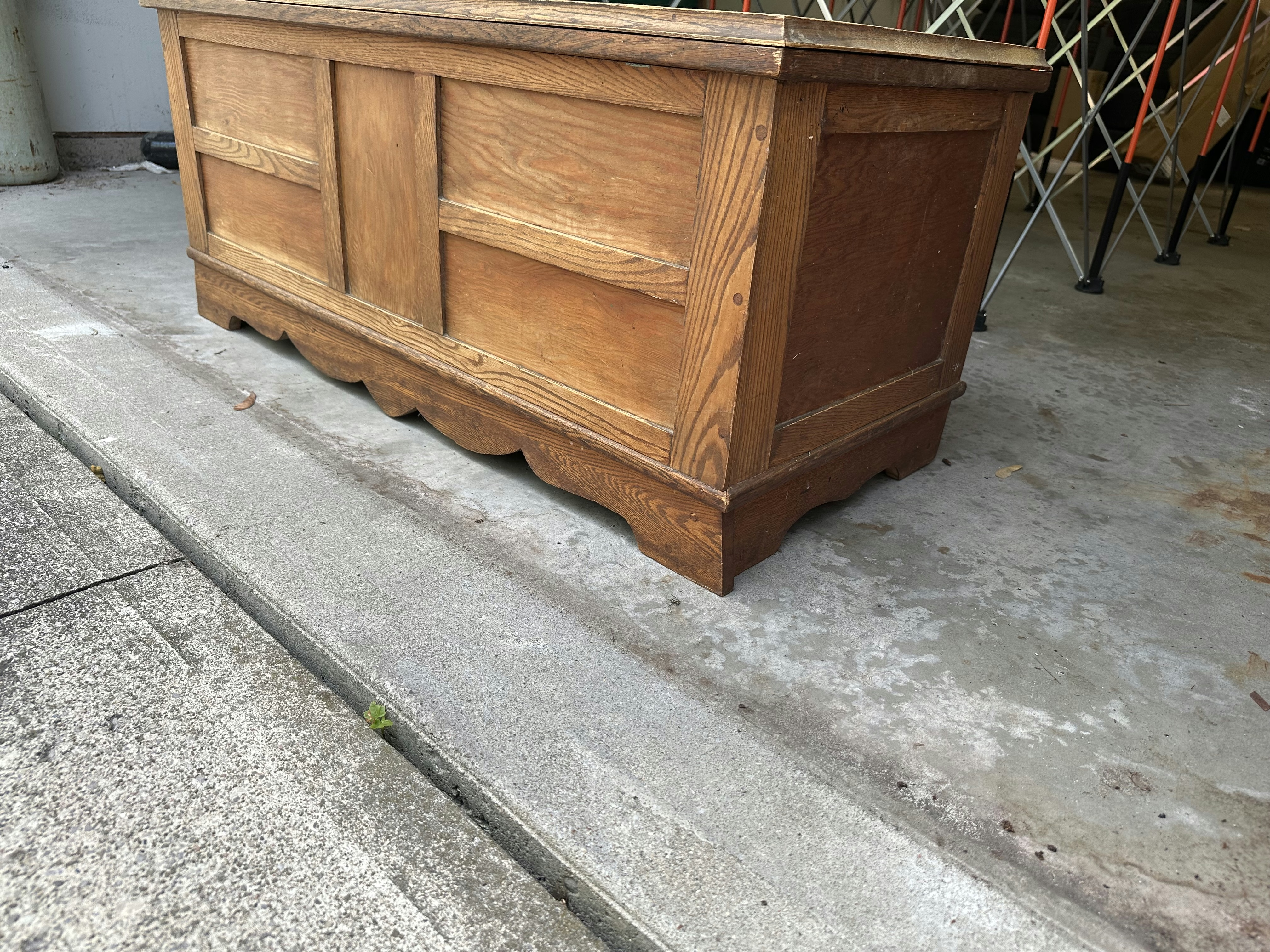
There comes a point where a piece like this needs attention.
Not because it’s fallen apart. But because decades of use have caught up with it. The surfaces are tired. Some joints have loosened. The finish has worn through to bare wood in places. The tar inside belongs to a different era entirely.
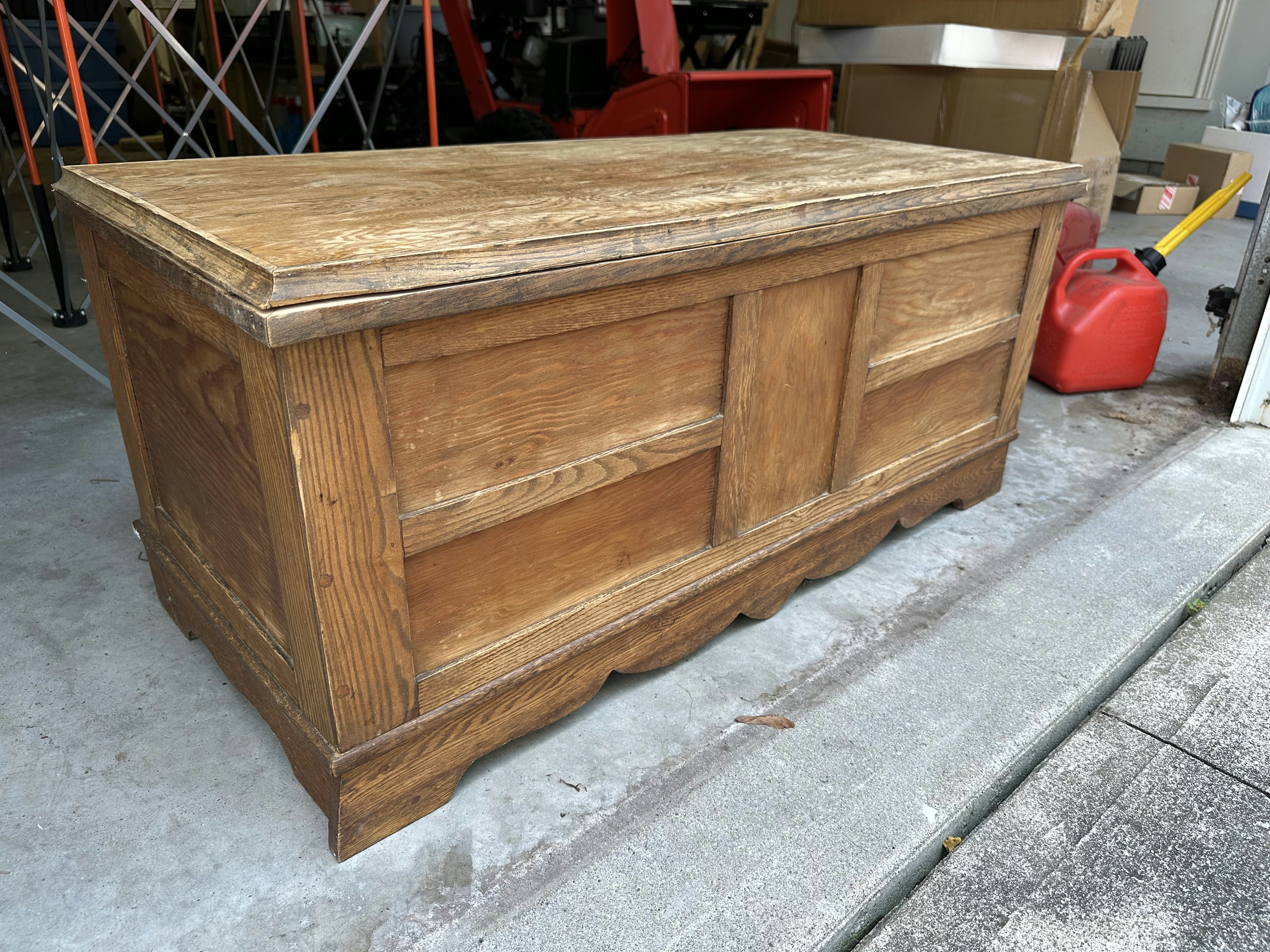
The choice is pretty straightforward: let it go, or bring it back.
Letting it go is easy. Nobody would raise an eyebrow if you replaced a fifty-year-old school project with something sturdier. But bringing it back is a different kind of decision. It says: this matters because of what it represents, not what it is. It says: the story isn’t over.
What the Work Actually Involves
This isn’t restoration in any traditional sense. There’s no original finish worth preserving. No historical accuracy to protect. No precious patina.
What there is, is a piece of furniture that needs to keep working — for a toddler, no less, which means it needs to be solid.
So here’s what’s happening:
- Remove the tar
- Tighten the loose joints
- Epoxy any chips so the structure stays intact
- Sand everything back and remove the old finish
- Apply a modern oil-based finish that will actually protect it
- Add feet so it sits level and sturdy
- Update the hinges and finish them so they’re cleanable
- Add a leather pull as a handle
- Add a gas hinge so it stays open on its own
- Line the bottom with felt so toys don’t clatter around inside
- Add a small plaque so my nephew knows whose hands built it
The goal isn’t to make it look new. The goal is to make it sound — solid enough to last another generation, honest enough to still look like itself.
What Doesn’t Change
Some things shouldn’t be touched.
The slightly uneven edges. The joints that were never quite square. The little evidence of a ten-year-old figuring out how wood works — that all stays. Those imperfections aren’t flaws to fix. They’re the whole point.
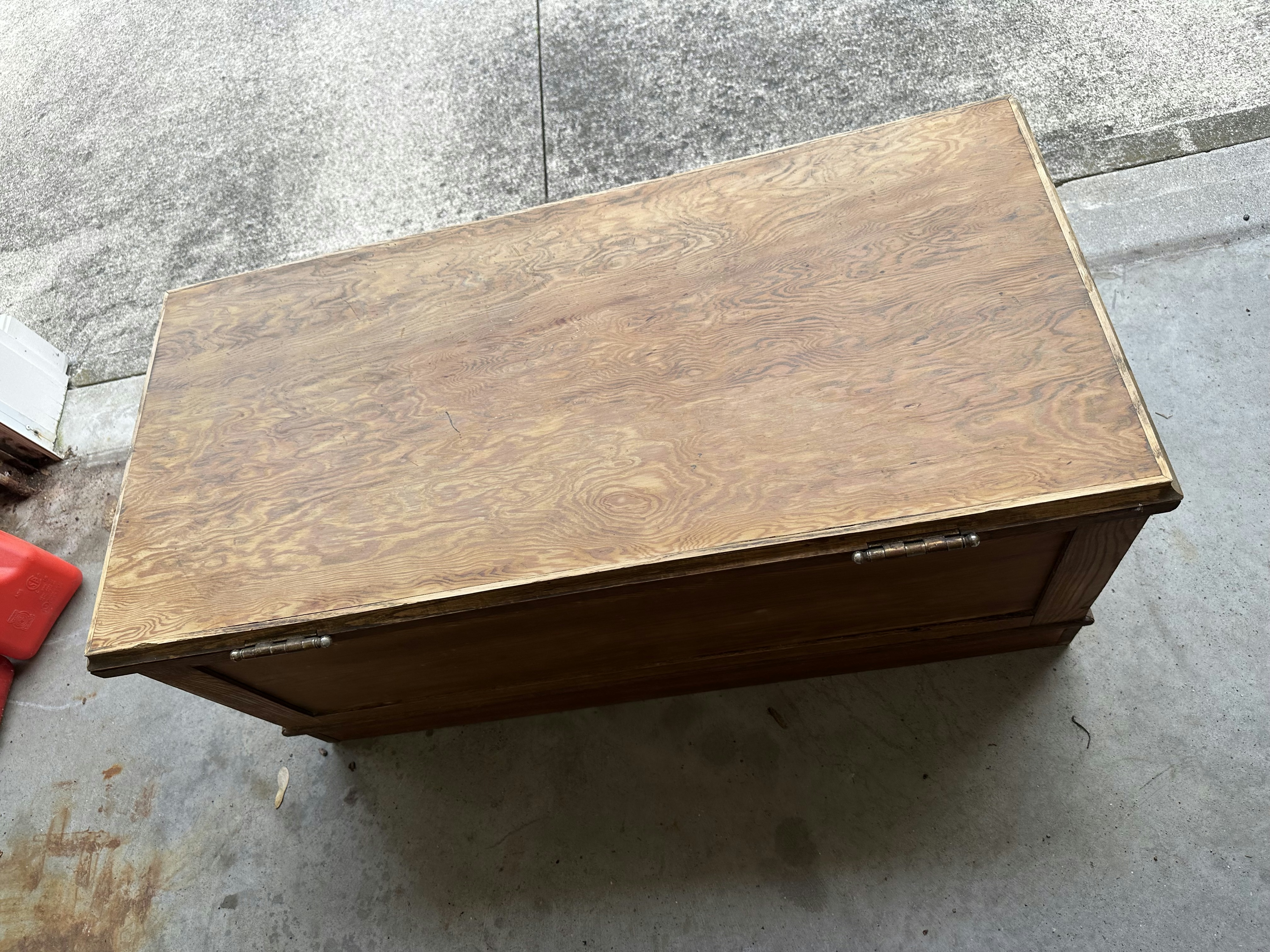
A flawless chest would be a completely different object. It would tell a completely different story. It wouldn’t be the thing that’s been in this family for decades. The character lives in the imperfections, and updating it means protecting them, not erasing them.
The Finish
The original finish was done by a kid who was learning. It did its job for longer than anyone expected, and now it’s done.
The new finish — a hard penetrating wax — will protect the wood while staying workable. It can be cleaned, touched up, maintained. It will wear in the places where hands touch it most and develop its own marks over time.
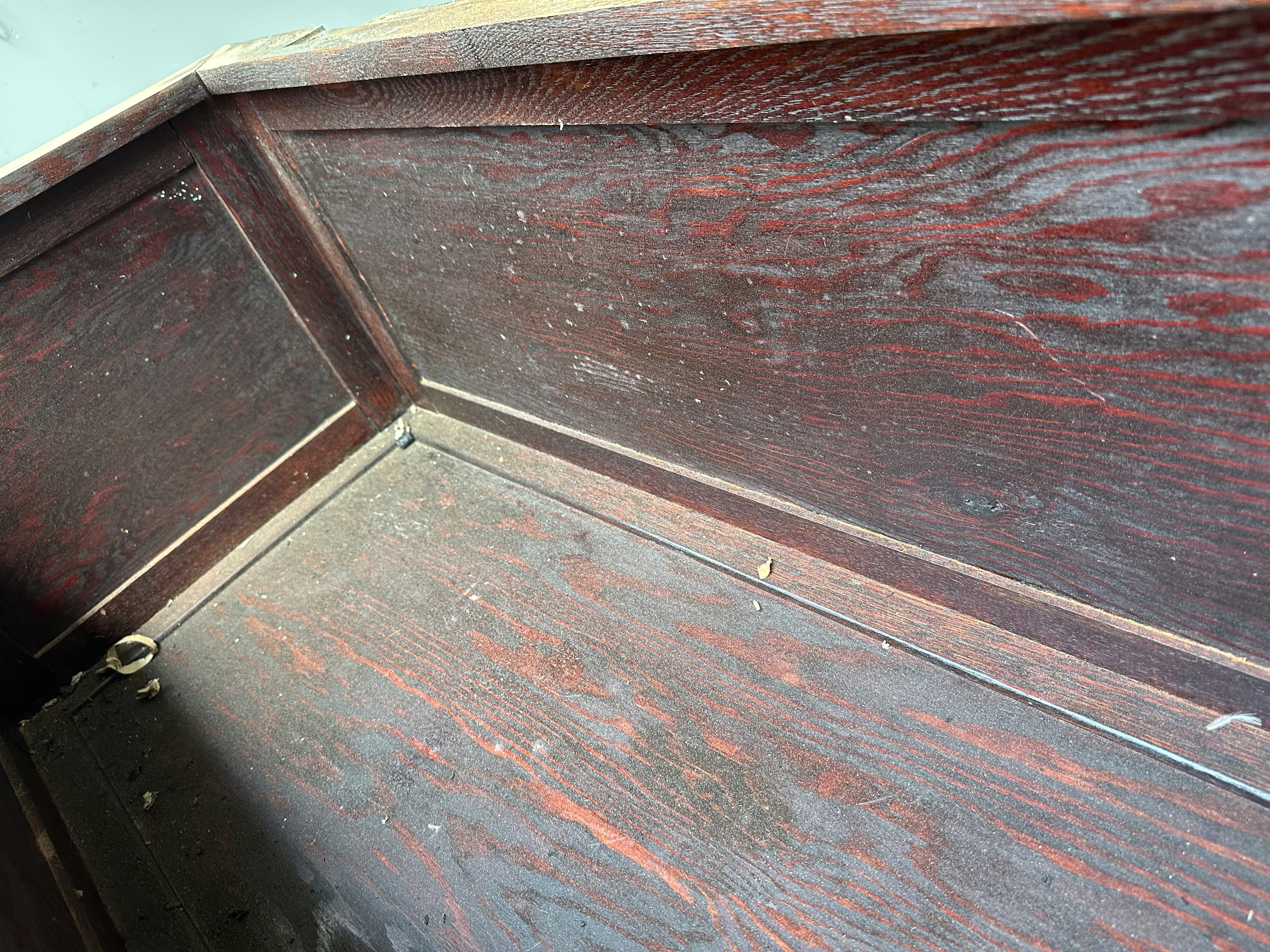
That’s fine. This isn’t a museum piece. It’s a working object getting another chance.
And that’s one of the genuinely wonderful things about wood — you can use it, let it gain character, wear it in, and when it eventually needs refreshing, a bit of work brings it right back. It forgives you for using it.
Why This Matters
A ten-year-old built this chest and had no idea it would still exist decades later. Had no idea it would travel between houses, hold different things for different people, or end up being restored and handed to the next generation.
But that’s exactly what happened.
That’s the argument for keeping things — not because they’re perfect, not because they’re valuable, but because they carry a story that connects people across time. My grandfather was proud of what he built. My nephew will grow up with it. Somewhere in between, someone decided the thread was worth keeping unbroken.
The chest didn’t need to be built well to be worth keeping.
It just needed to be built.